
Subtotal $0.00



Mental Health Week: Taking Care of Your Wellbeing
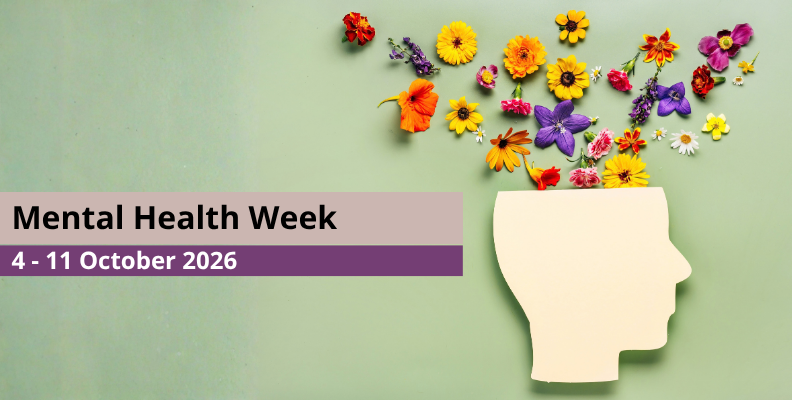
WA Mental Health Week runs from 4 to 11 October this year, including World Mental Health Day on 10 October, a national and international reminder that mental wellbeing deserves the same attention as physical health. At Champion Medical Centre, Bertram (CMC), we wanted to share a few thoughts on looking after your mental health, and on the support that’s available if you or someone you care about needs it.
What Is Mental Health Week
Mental Health Week is an annual Australian awareness campaign held every October, centred around World Mental Health Day. It’s a chance for communities to talk openly about mental health, reduce stigma, and highlight the support options available, whether that’s a conversation with a friend, a GP visit, or simply taking a moment to check in with yourself. WA Mental Health Week has run for close to sixty years, making it one of the longer-standing community health campaigns in the state.
Why Mental Wellbeing Matters Alongside Physical Health
It’s easy to treat mental health as separate from physical health, but the two are closely connected. Sleep, stress, relationships and daily habits all affect how we feel, just as much as diet or exercise. Mental health, like physical health, exists on a spectrum, and most people benefit from support long before a situation becomes a crisis. Many people wait until things feel unmanageable before reaching out, when earlier conversations can often make things easier to work through.
Small Steps That Support Mental Health
Mental Health Week’s own messaging focuses on the everyday things within our control:
- Staying connected- making time for family, friends, or community, even briefly
- Looking after the basics- sleep, movement, and regular meals
- Talking about it- checking in with someone you trust, or asking for help when things feel heavier than usual
- Taking breaks- from work, from screens, from the things that add pressure
Recognising When to Reach Out
There’s no single sign that someone should seek support, it’s more about noticing a pattern. Feeling persistently flat, withdrawn, more irritable than usual, or finding it harder to cope with everyday things over a few weeks are all reasonable prompts to have a conversation, whether that’s with someone you trust or with a health professional. Reaching out early, rather than waiting for things to escalate, is one of the most useful things Mental Health Week encourages.
Talk to Your GP
If you’re finding things harder than usual, the first and best step is usually a conversation with your own GP. Your GP can talk through how you’re feeling, discuss options such as a Mental Health Care Plan, and help you understand what support might be right for you, based on your own circumstances. Appointments can be booked online at any time, or you’re welcome to call reception if you’d prefer to talk it through first.
Where to Get Help Right Now
If you or someone you know needs support right now, help is available. Lifeline is available 24/7 on 13 11 14, and Beyond Blue can be reached on 1300 22 4636. In an emergency, or if there’s immediate risk to someone’s safety, please call 000.
Frequently Asked Questions
Do I need a referral to see a psychologist?
A GP referral and Mental Health Care Plan can help reduce the cost of sessions — book a GP appointment first to discuss this.
Is there a cost involved?
This depends on your individual Medicare eligibility and care plan. Reception can talk you through what to expect for your circumstances.
What if I’m not sure whether I need to see someone?
That’s a completely reasonable place to start from — a conversation with your GP is a good first step, and there’s no pressure beyond that.
Can I book an appointment for someone else, like a family member?
You can help someone book their own appointment, though the person themselves will generally need to attend and consent to their own care.
Book Your Visit Today
Whether it’s for yourself or for someone you care about, CMC is here to help. Book online today, or call reception to arrange a time to talk.
Comments are closed